In brief: Corporate web design prices cannot be expressed as a single figure; page types, language count, integrations, content production and legal requirements determine the price together. At Onur Freelance, corporate website packages start from 15,000 TL, which is a lower limit rather than an average. As extra languages, custom functions and content production are added, the price is finalized after reviewing the scope. Maintenance is optional, with monthly fees ranging from 500 to 2,000 TL.
Corporate web design prices in 2026 cannot be expressed as a single figure; page types, language count, integrations, content production and legal requirements determine the price together. At Onur Freelance, corporate website packages start from 15,000 TL, and which items are added above this amount becomes clear according to the project’s scope.
The article first examines what the starting package includes, then the items that increase costs individually. The lines that should appear in a proposal are collected in a table; signs distinguishing a low proposal from a realistic one are listed separately. The final sections cover separating one-time fees from annual expenses, ways to control the budget and common mistakes.
Where do corporate website prices start?
At Onur Freelance, a corporate website starts at 15,000 TL; this amount covers a standard structure introducing a company, its services and contact channels. One-page websites presenting a single service or campaign start at 12,000 TL, while e-commerce stores built for product sales start at 24,000 TL. Differences between packages arise more from the website’s function than its page count.
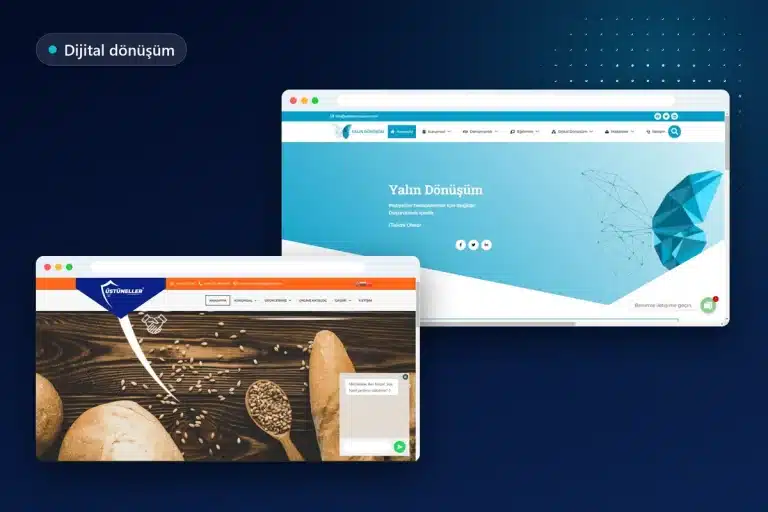
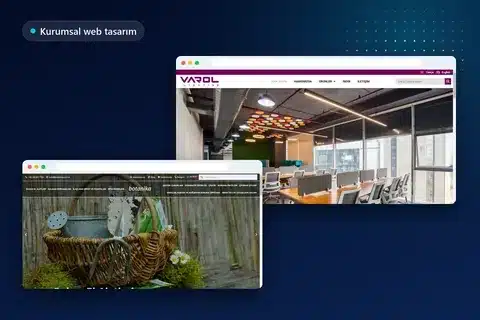
The starting package includes a design displaying correctly on phones and computers, an SSL certificate, page title and description fields, a sitemap, basic speed settings and training showing how to use the dashboard. The business itself is the registrant of the domain and hosting account; after delivery, website control does not remain dependent on someone else. The corporate package contents can be seen on the corporate web design service page, and a side-by-side comparison with other packages on the web design prices page.
The starting price is a lower limit rather than an average price. Many corporate projects stay within this package’s boundaries; others go beyond it because of extra languages, custom functions or content production. The way to understand which situation applies is to check the following items individually against the project.
Items determining corporate web design prices
Corporate web design prices are shaped by items added to the starting package. To read proposals from different companies on the same basis, it helps to mark separately whether each item exists in the project:
- Page types: Service pages using the same template and pages each planned individually require different amounts of work.
- Design approach: There is a significant workload difference between adapting an existing theme to the brand and drawing an original interface from scratch.
- Number of languages: Every extra language means translation, technical setup and language-specific search engine settings.
- Integrations: CRM, appointment systems, dealer login or connections to internal company software are the most variable part of the proposal.
- Content production: Who prepares text, photographs and corporate visuals directly affects the total amount.
- Legal layer: A KVKK (Turkey’s Personal Data Protection Law) privacy notice, cookie notice and mandatory information fields according to company type.
- Services after delivery: Whether maintenance, updates and content support are included in the proposal.
Each of these items is explained separately below. If one of these topics is absent from a proposal, it may mean the work will not be done or will be requested for an additional fee later; this uncertainty should be resolved before signing.
How do design approach and content production affect cost?
Adapting an existing theme to a brand requires less work than designing an original interface from scratch; a significant part of the differences in corporate web design prices arises from this choice. A well-chosen, regularly updated theme adapted with a logo, colors and typeface produces sufficiently distinctive results for most companies. Brands wanting to stand out visually from competitors, needing custom interactive sections or unusual page layouts require original design, which appears as a separate proposal item.
On the content side, the decisive question is who prepares the text and visuals. When the business supplies a ready company introduction, service descriptions and team information, the design team only edits and places them. If copywriting, professional photography or preparation of product visuals is also requested, these are separate work items affecting the total. If stock photography will be used, licensing conditions should also be stated in the proposal.
Does page count or page type change the cost?
What actually changes the cost is the number of different page types rather than the number of pages. If ten service pages share the same layout, the design is created once and the others are duplicated with content; in contrast, pages such as the homepage, company introduction, careers and project gallery each require different structures and are designed separately. When requesting a proposal, noting which pages share similar structures alongside the page list enables more accurate pricing.
Common corporate website page types include the homepage, company introduction, service or product group pages, project or reference pages, news and blog sections, careers, contact and branch information. If every branch will have a separate page, preparing these with a shared template reduces both setup cost and subsequent updates. Sections not needed today but expected within a few years should also be discussed during planning; when the structure is ready for this growth from the start, adding a new service line or branch remains a small task.
How does a multilingual corporate website affect the price?
Every extra language is added as a separate price item because translation, technical setup and language-specific settings require separate work. On the technical side, a language switcher, separate address structures for each language and markup telling search engines which page is in which language are set up. On the content side, text needs not only translation but adaptation to search habits in the target market. Menus, form notification emails and legal texts are also prepared separately for every language.
The business supplying its own translation reduces cost, but responsibility for checking translation quality remains with it. An English or German version filled with machine translation can leave a worse impression on a foreign business partner than a monolingual website. In a corporate website proposal, language count, who handles translation and how many pages appear in each language should be written as separate lines.
Page contents

How do integrations and custom functions change a proposal?
Integrations are the most variable item in a corporate website proposal, and their price is finalized only after reviewing the scope. A simple contact form or embedded map may be part of the starting package. Forms automatically transferring records to a CRM, online appointment systems, dealer or customer login areas and connections to inventory or accounting software require separate development.
For these items, cost is determined by the capabilities of the system being connected. There is a large workload difference between widespread software connected through an existing plugin and a company-specific system with limited documentation. Sharing the software’s name, version and data-transfer capabilities (whether API access exists) at the proposal stage makes both price and schedule more realistic. Subsequent maintenance of the connection should not be forgotten; when the connected software updates, the integration may need reviewing, and agreeing at the start who handles this avoids later disputes.
Legal layer: KVKK and the website requirement for companies
Since corporate websites collect personal data through forms, cookies and contact channels, the information obligation under KVKK must be addressed during preparation. As stated in KVKK’s explanation of the obligation to inform , when obtaining personal data, the data controller must inform the individual of its identity, the purposes of processing, possible recipients, collection method and legal basis. The business is responsible for the text’s legal content; the design-side task is publishing it in the correct place and linking it with forms.
For some companies, a website is a legal obligation rather than a choice. Under Article 1524 of the Turkish Commercial Code No. 6102, capital companies subject to audit under the fourth paragraph of Article 397 must open a website within three months of registration and allocate a specific section to legally required announcements. The same article requires content placed in this section to remain published for at least six months unless a longer period is stipulated. The proposal for a company within this scope should show the section allocated to information society services as a separate item.
Lines that should appear in a corporate website proposal
A well-prepared proposal is a prerequisite for a sound comparison of corporate web design prices. The following table summarizes how each item should be written in a proposal and what problems arise when it remains unclear:
| Item | How should it appear in the proposal? | If left unclear |
|---|---|---|
| Page list | Page names and types individually | Every page added later may become an additional charge |
| Revision rights | Number of rounds for design and content | Approval takes longer and additional requests become disputed |
| Content entry | Who uploads text and images | Delivery is delayed while waiting for content |
| Domain and hosting | Whose name, for how long, renewal cost | An unexpected invoice arrives at renewal time |
| Theme and plugin licenses | License owner for paid components | Updates cannot be obtained and vulnerabilities accumulate |
| Delivery schedule | Stages and the date of each stage | Responsibility for delays becomes unclear |
| Support after delivery | Duration, scope and fee | Nobody can be reached at the first breakdown |
When every row in the table is complete, the difference between two proposals becomes truly visible. If one includes maintenance and the other excludes it, or one handles content entry and the other does not, comparing totals directly is misleading.
Let us read the proposal item by item together
Whether you already have a proposal or want pricing from scratch, let us perform a free preliminary assessment using your page list and requirements. A precise corporate website price is provided in writing on the day the scope is defined, showing included items line by line.
How can a low proposal be distinguished from a realistic one?
What makes a low proposal risky is not the price itself but failing to state what it excludes. A corporate website proposal significantly below others with similar scope often carries one of these signs:
- General expressions such as “unlimited pages” or “corporate package” replace a page list.
- The domain and hosting are opened in the company’s own account, and the business receives only website management access.
- The theme’s license status is unstated; it is impossible to tell whether an unlicensed copy of a paid theme is being used.
- Backups, updates and security are not mentioned anywhere in the proposal.
- Only after the work is complete does it become clear that every small change after delivery will be charged.
A realistic proposal is clear even if its scope is narrow. If one document shows what the starting package includes, what costs extra and how additional work is priced, comparison is possible whether the figure is low or high. Proposals providing this clarity are the soundest reference for corporate web design prices.

Corporate web design selection criteria: The technical side
Technical criteria should be considered alongside price because the difference between proposals often comes from invisible infrastructure work. Speed, accessibility, security and manageability are the four main topics determining whether a corporate website works smoothly for years.
Accessibility is the least discussed corporate website topic, yet directly affects reputation. W3C’s introduction to web accessibility states that an accessible website enables people with disabilities to perceive and understand content, navigate and interact with the website; this approach also benefits visitors without disabilities, such as mobile users. Adequate color contrast, descriptive image text and keyboard-operable menus are details that add no extra cost when incorporated during setup but are demanding to correct afterward.
Hosting choice is decisive for speed and security; an inadequate server also slows a well-designed website. The article on choosing hosting for a corporate website , which examines server choice’s effect on speed and SEO, provides a detailed checklist for this decision. Manageability means delivering the website with a dashboard allowing frequently changing content, such as news and job postings, to be updated within the company.
Security is the easiest item to overlook when comparing prices. An SSL certificate is now an expected standard on every website; the real difference concerns how frequently WordPress core, themes and plugins will be updated, where backups will be stored and how administrator accounts will be protected. If these questions are unanswered in the proposal, security after launch is effectively nobody’s responsibility.
How are one-time fees separated from annual expenses?
A corporate website budget consists of a one-time fee for design and setup and recurring annual expenses, and the two should be shown separately in the proposal. The one-time portion covers design, setup, content entry and training. Recurring expenses consist of domain renewal, hosting, paid theme and plugin licenses if applicable, and optional maintenance.
Maintenance covering updates, backups and minor content edits is optional at Onur Freelance; monthly fees in the 500–2,000 TL range depend on website size and desired support frequency. The work included in maintenance is listed separately on the WordPress maintenance and updates page. Knowing annual expenses in advance prevents renewal invoices at the end of the first year from becoming surprises and allows realistic planning of corporate website costs.
Tracking renewal dates is also part of this plan. When a domain expires, the website and corporate email can stop together; having renewal notices sent to an email actively read by the business and enabling automatic renewal where possible removes this risk.
Ways to control costs without reducing the budget
The most effective way to keep corporate web design prices under control is to save on uncertainty rather than quality. The following methods keep the total and schedule manageable without narrowing scope:
- Collect content in advance: Preparing text, logo files, photographs and contact information before the project eliminates waiting for content; when content arrives complete, delivery of standard corporate projects stays within the 5-7 business day average.
- Phased launch: Launch the homepage, services and contact first; leave sections such as the blog, careers or second language for a later stage.
- Shared page templates: Using a single template for pages with similar content reduces design workload.
- Multilingual-ready infrastructure: Even if the website initially launches in one language, build it so extra languages can be added easily later.
- A single decision-maker: Appointing one person to collect approvals prevents revision rounds from becoming scattered.
What these methods share is removing at the start the uncertainties that slow projects and cause additional fees. Because scope is not narrowed, the website does not leave an incomplete impression on launch day.
Common pricing and selection mistakes in corporate web design
The most common mistake is deciding based on the total figure. When corporate web design prices are compared without itemization, missing items such as maintenance, content entry or licenses can later make the apparently cheapest proposal the most expensive. The correct approach is to reorganize all proposals according to the same item list and then compare them.
The second mistake is starting design before corporate identity is settled. If the logo, colors and typeface change during design, most prepared pages need revisiting, affecting both schedule and budget. The third mistake is leaving search engine infrastructure for later; if page titles, address structure and sitemap are not planned during setup, corrections after launch become additional work.
Finally, examining only the proposal document without evaluating the company itself is also incomplete. For steps such as verifying portfolios through live websites, measuring communication speed and reading ownership clauses in the contract, see the website development company evaluation guide.
Let us plan the corporate website budget together with its scope
When page types, language count and integration needs are known, corporate web design prices stop being estimates and become precise figures. For a preliminary assessment, simply send this information by message or phone between 09:00 and 21:00; meeting in person at the Maltepe office is also possible.
Related guides
Frequently asked questions
Why can choosing the cheapest proposal be risky?
A low proposal often leaves scope unclear; items such as maintenance, licenses or content entry may appear later as additional fees. Comparing proposals against the same item list reveals the real difference.
What is the starting price for corporate websites in 2026?
At Onur Freelance, corporate website packages start from 15,000 TL. As items such as extra languages, integrations, custom design and content production are added, the price is finalized after reviewing the scope.
Do corporate web design prices include domain and hosting?
The domain and hosting account are registered in the business’s name; annual renewal fees are planned as expenses separate from the one-time design fee. The proposal should state in writing whose name these accounts are opened in and for how long.
How many days does preparing a corporate website take?
When content arrives complete, standard corporate projects take close to the average of 5-7 business days. Multilingual structures and integrations extend the schedule; in such cases, timing is determined together with scope.
How much does an extra language increase the price?
Every extra language is priced as a separate item, and the amount varies according to who handles translation, pages per language and technical setup. A precise figure is therefore given after reviewing the scope.
Who is responsible for KVKK texts on a corporate website?
The business, as data controller, is responsible for the legal content of the privacy notice. During design, the text is published in the correct place on the website and linked to forms.
Which companies are required to open a website?
Under Article 1524 of the Turkish Commercial Code, capital companies subject to the audit specified by law must open a website within three months of registration. Whether a company falls within this scope should be confirmed with an accountant or legal adviser.
What happens if maintenance is not purchased after delivery?
The website continues working; maintenance is optional, and at Onur Freelance its monthly fee ranges from 500 to 2,000 TL. Websites without a package also receive dashboard training so content changes can be made within the company.

Call us
Call us for detailed information.
Let us call you!
Share your phone number and let us call you!
Our other services
- › Corporate web design
- › E-commerce website development
- › SEO optimization
- › WordPress website development
- › Google Ads management
- › WordPress speed optimization
Service areas
- › Web design in Sakarya
- › Web design in Tekirdağ
- › Web design in Bursa
- › Web design in Beşiktaş
- › Web design in Şişli
- › Web design in Tuzla
- › Web design in Ümraniye
- › Web design in Kadıköy
- › Web design in İstanbul
- › Web design in Ankara
- › Web design in Ataşehir
- › Web design in Üsküdar
- › Web design in Kartal
- › Web design in Maltepe
- › Web design in Pendik
- › Web design in Kocaeli
- › Web design in İzmir
- › Web design in Antalya