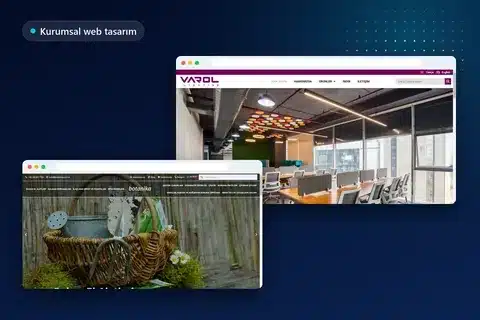
Botanika is a company working in garden hand tools, irrigation equipment, sprayer pumps, plant nutrients and decorative garden products. Its own website states that it handles Turkish distribution for many brands and that its products are sold through home improvement stores and dealers. botanika.com.tr, designed and developed by Onur Freelance, is a product catalog website that works through quote requests instead of a shopping cart.
Project overview
| Company | Botanika |
|---|---|
| Industry | Garden supplies and decorative products; distribution and wholesale |
| Website type | Product catalog without prices and quote requests |
| Platform | WordPress, WooCommerce used as a catalog, Elementor Pro |
| Languages | Turkish; automatic translation selector for English and Arabic |
| Key features | Category tree organized by brand and size, quote request form, Our brands page, blog, newsletter registration by phone number and internal search |
| Live website | botanika.com.tr |
The business’s needs
For companies that sell wholesale and reach consumers through dealers, the website’s role is usually not to offer a shopping cart. In this industry, a website is generally expected to help a dealer, landscaping company or purchasing professional find the product they need in the correct model and size, then submit an inquiry about quantity and delivery. When prices vary by customer type, quantity and region, showing a single price on the website can be misleading.
Garden supplies also involve a wide variety of products. The same hose connector being available in different diameters and the same pruning shears being available from different brands make it difficult to find the desired part in an unorganized list. For companies distributing multiple brands, making each brand individually visible is also important.
What the website includes
A menu layered by brand and size
The main menu is divided into primary groups such as garden hand tools, irrigation equipment, pesticide sprays and pumps, plant nutrients, support stakes, protective covers and decorative products. Each group contains brands (such as Raco, Gardener and Hozelock), with product types underneath them. Hose connectors are separated by diameter into 1/2″, 3/4″ and 1″. This depth lets buyers who know their required size go directly to the relevant part.
Technical descriptions instead of prices
Product pages do not have prices or an add-to-cart button; instead, the product’s material and uses are explained in bullet points. For example, a pruning shears page states that the blade and handles are made from one-piece forged steel and explains which pruning tasks they suit. Here, WooCommerce is used as a catalog engine organizing products through categories and tags, rather than as a sales tool.
Quote request form
Alongside full name, province, phone and email, the inquiry form on the Quote request page includes an ?Order details? field. Asking for the province helps determine from the outset which regional dealer or sales representative should receive the inquiry.
Our brands and blog
The Our brands page brings the distributed brands together on a separate page. The blog includes articles explaining product groups such as liquid plant nutrients, plant protection covers and plant support stakes. These articles act as intermediary pages, taking users asking what a product is used for to the relevant category.
Newsletter by phone number, search and contact button
A newsletter form at the bottom of the pages accepts registrations using a phone number. The header contains internal search, while a fixed contact button in the screen corner opens phone and email options. The menu is configured to stay at the top when the page scrolls. Because product names include both brand and model code, the search box also allows dealers who know the code to reach the product without browsing categories.

Considerations for wholesaler and distributor catalog websites
The following points are checked when planning a catalog website for a company operating through wholesale or dealer channels:
- Category logic: The menu should be built around how customers search for products; in some industries brand is more decisive, while in others size or intended use matters more.
- Product code and size: Information such as model number, diameter and package quantity should appear in the product name or first lines; dealers mostly search using this code.
- Quote form fields: Information that will direct the inquiry to the right person (province, company type, product and quantity) should be requested in the form, and unnecessary fields removed.
- Repeated category names: Categories with the same name under different brands (for example, ?pruning shears?) should be differentiated by brand in addresses and headings.
- Dealer information: If products are sold only through dealers, the website should explain how consumers can find their nearest sales outlet.
- Links from the blog to the catalog: Articles explaining product groups should link to the relevant category pages; readers looking for information can then reach the product with one click.
- Keeping the catalog current: Discontinued products should be removed or redirected to similar products; old product pages bring unnecessary quote requests.
The scope of quote-focused websites that do not display prices is covered under corporate website design. For catalogs planned to move into online sales in the future, see the e-commerce website setup page. Projects other than Botanika are included among the Onur Freelance references.
For a similar project
If you are a distributor, wholesaler or manufacturer wanting to present your products through quote requests without publishing prices, a free preliminary assessment can be carried out based on the product count and category structure. An existing Excel list or printed catalog is a sufficient starting point for the discussion. Cost items are available on the pricing page, and written contact options on the Contact us page.
Sıkça Sorulan Sorular
What is the difference between a product catalog website and an e-commerce website?
A catalog website introduces products and collects inquiries; payments are not taken on the website. An e-commerce website includes prices, a cart and checkout steps. Wholesalers and distributors whose prices vary by customer generally prefer a catalog structure.
Can WooCommerce be used as a catalog without prices?
Yes, as on the Botanika website, products can be organized into categories and tags with WooCommerce and published without displaying prices or an add-to-cart button. If online sales are desired later, prices and payment can be added to the same product structure.
Which fields should a quote request form contain?
In addition to contact details, the form asks for information that will direct the inquiry to the right person. The form at Botanika includes province information and a separate field for order details.
How should a distributor with many brands organize categories?
Layers for product group, brand and size are created according to how customers search. If categories with the same name appear under different brands, their addresses and headings are differentiated with the brand name.
Is adding a blog to a catalog website necessary?
It is not mandatory, but articles explaining product groups can guide users searching for ?what is this product used for? to the relevant category. The Botanika blog includes articles about plant nutrients, protective covers and support stakes.

Bizi Arayın
Detaylı bilgi için bizi arayın.
Sizi, Biz Arayalım!
Numaranızı paylaşın sizi, biz arayalım!
Diğer Hizmetlerimiz
- › Corporate web design
- › E-Ticaret Sitesi Yapımı
- › WordPress Site Yapımı
- › Google Reklam Yönetimi
- › SEO optimization